Billion Oyster Project Symposium
Thornton-Donovan makes a splash at the Billion Oyster Project Symposium: Six Exemplary Awards and Growing Student Innovation
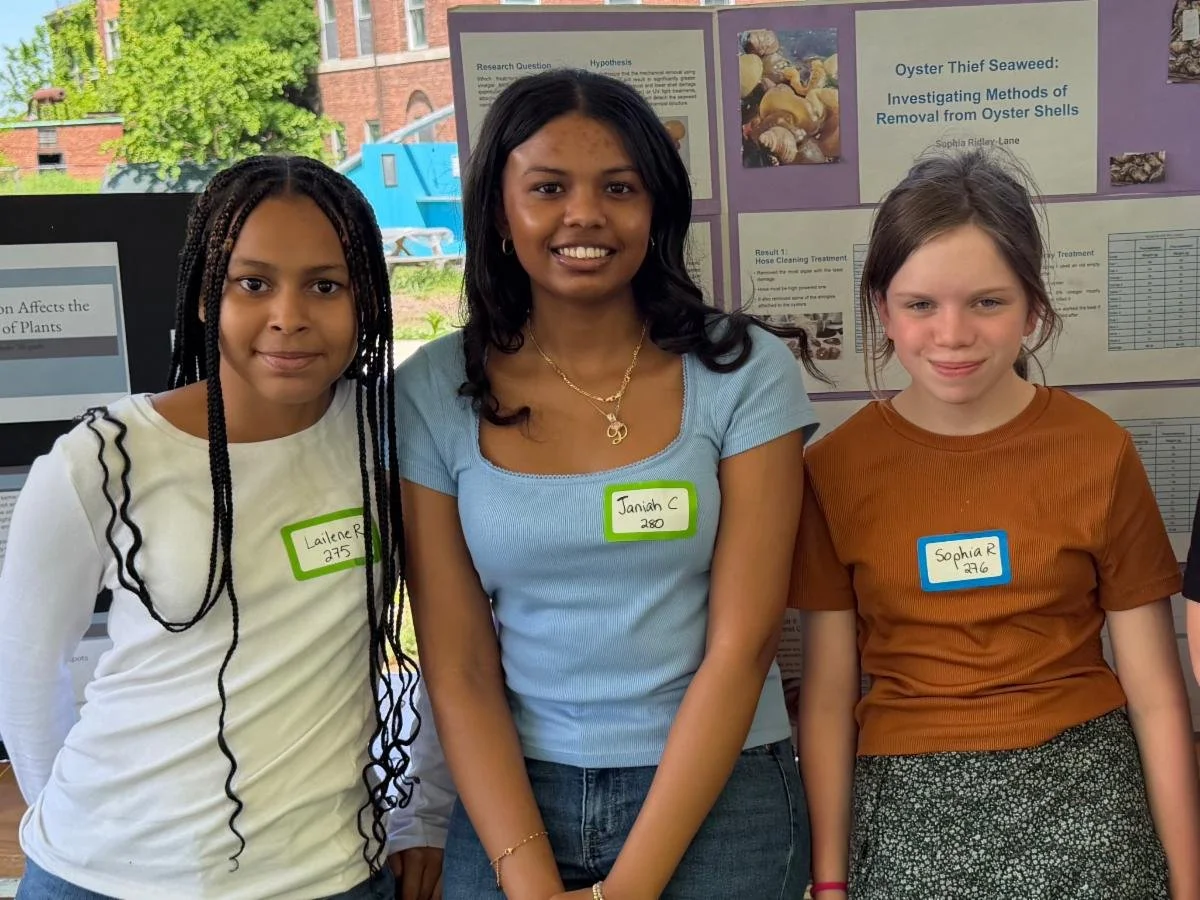
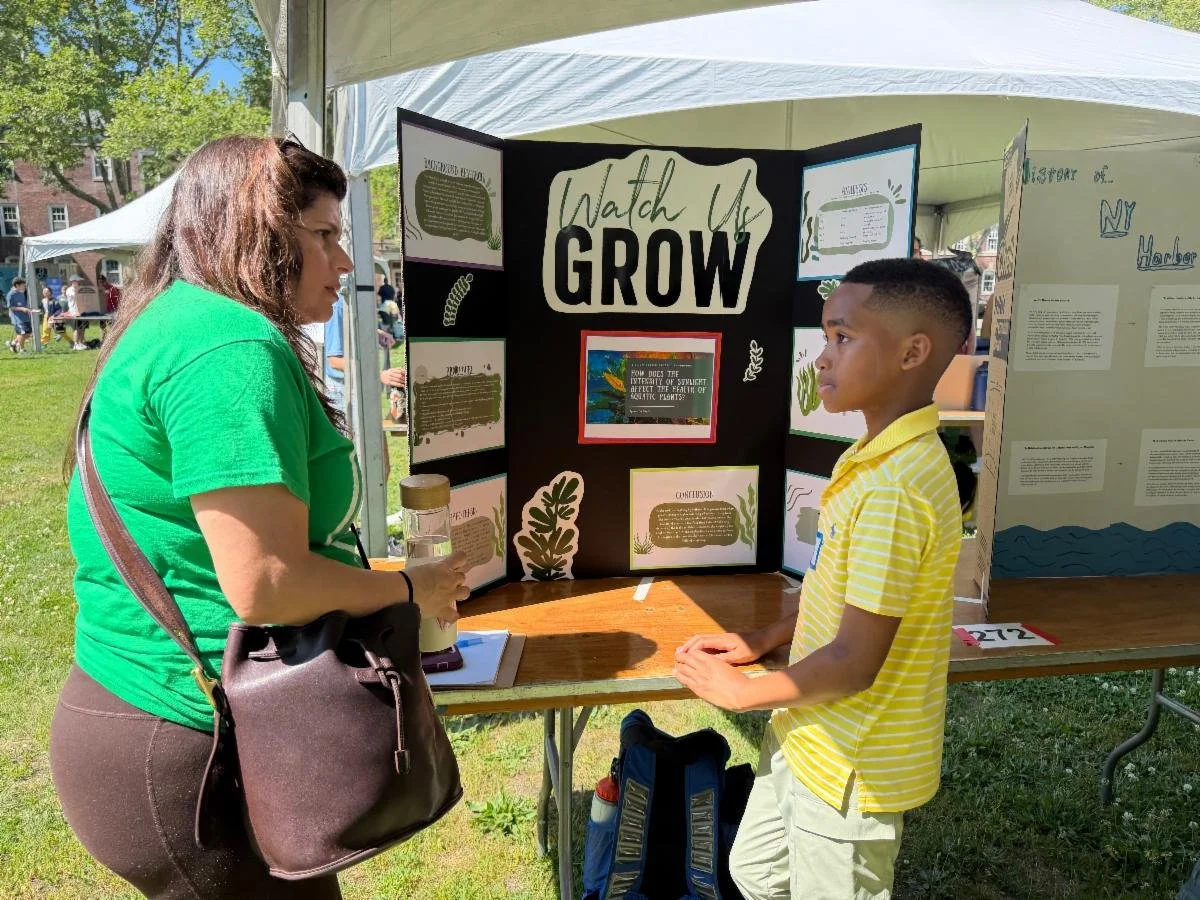
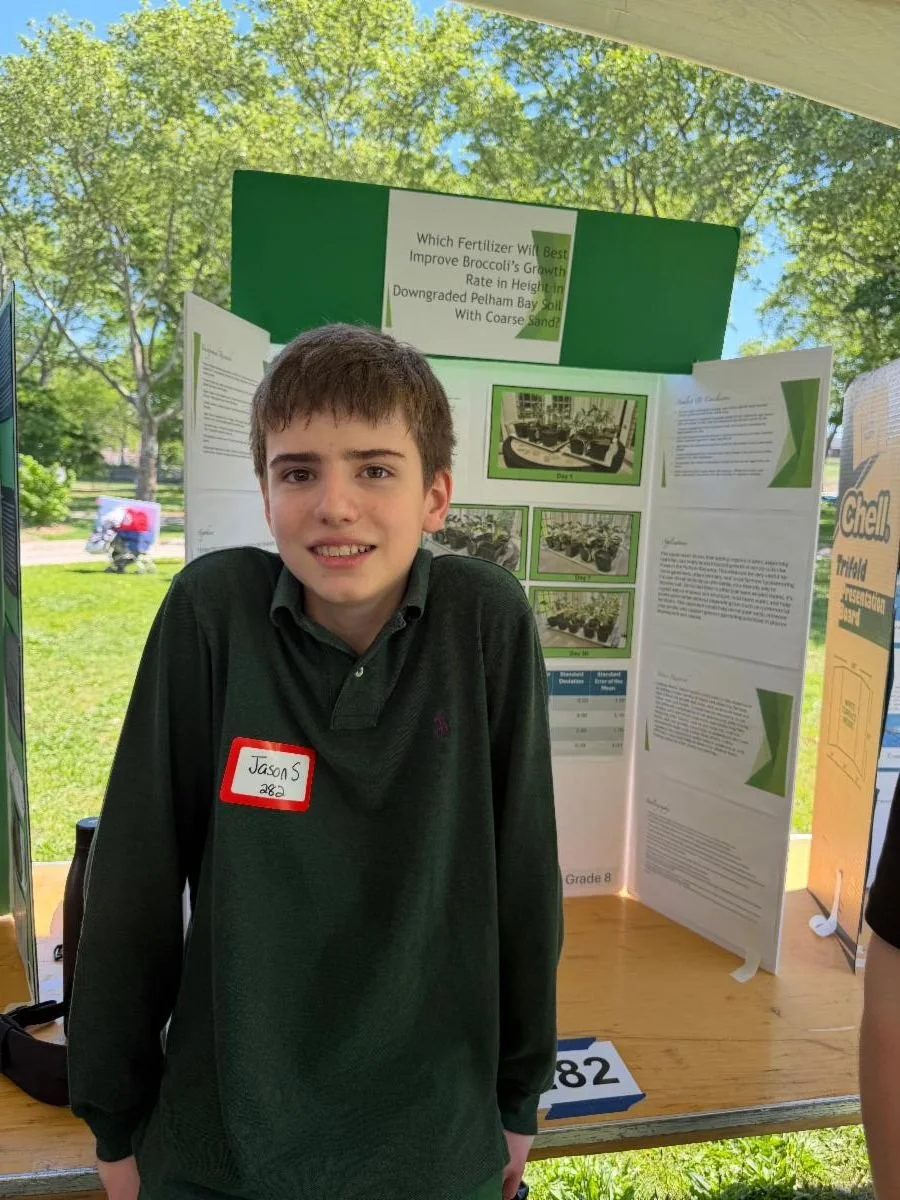
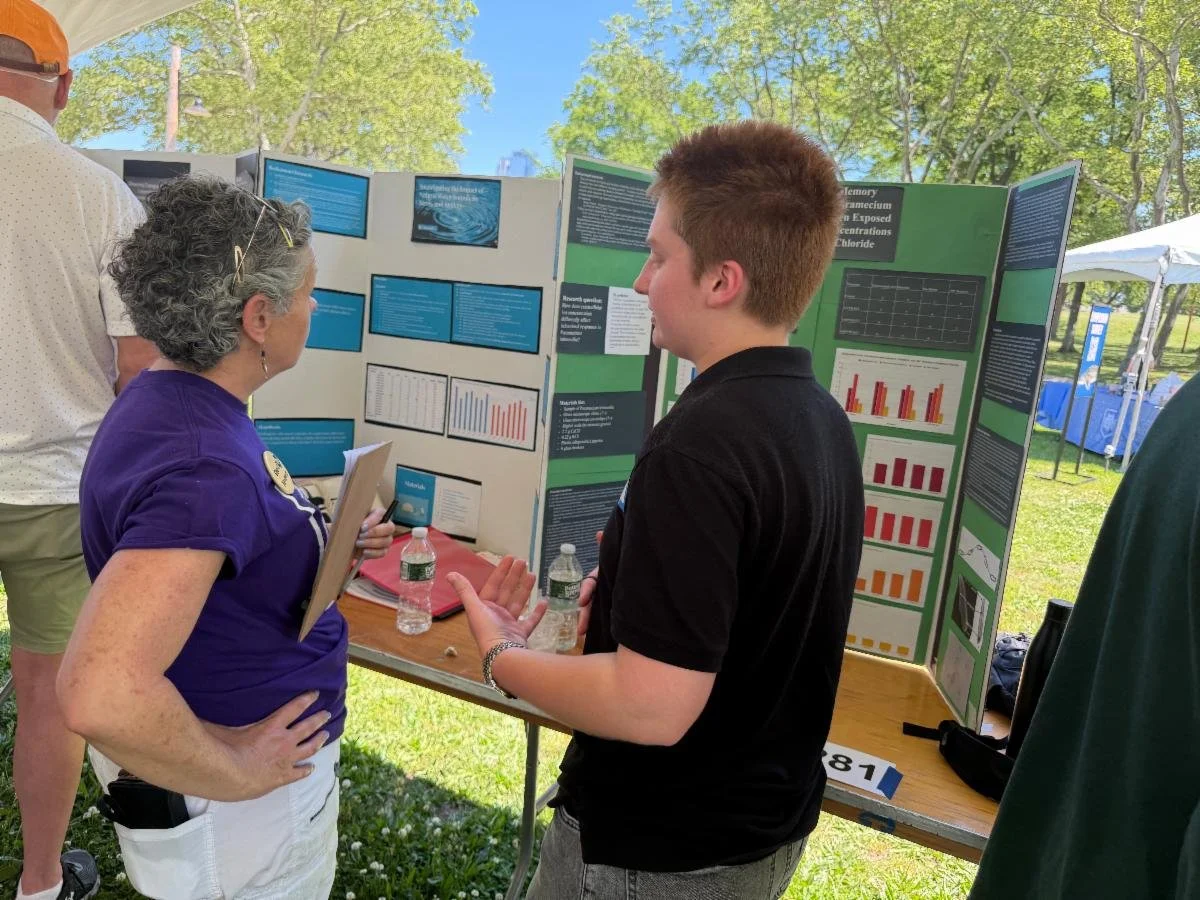
On May 20, Thornton-Donovan School made its third appearance at the annual Billion Oyster Project (BOP) Symposium on Governor’s Island and once again “blew it out of the water,” earning six exemplary project awards. The day showcased not only the depth of our students’ scientific inquiry but also their professionalism, communication skills, and growing use of technology in research.
Student poise and strong communication were a clear highlight. Throughout the symposium, guest reviewers and educators approached TD faculty to praise the exceptional quality of our students’ presentations. Reviewers commented on students’ ability to explain methods and findings with poise and enthusiasm, engaging listeners and answering questions knowledgeably. That consistent professionalism reflects the emphasis TD places on both rigorous research and presentation skills within our curriculum.
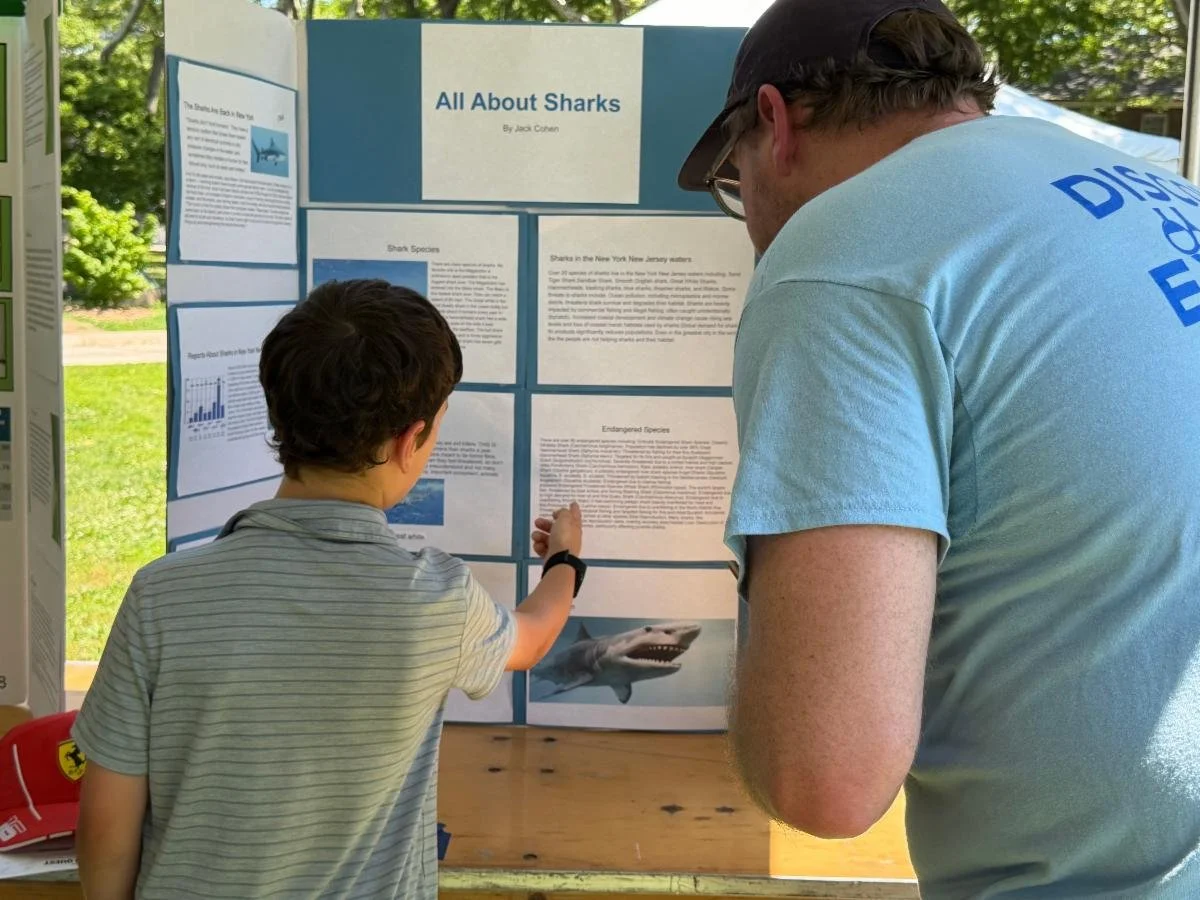
The BOP Symposium has become a cornerstone of TD’s seventh-grade science program, providing a real-world audience and a collaborative environment where students apply classroom learning to coastal research and restoration. Looking ahead, we are excited to bring our current sixth-grade class to next year’s symposium and to expand the program into lower grades. This year marked an important milestone: our first lower school representation. Jack Cohen delivered an engaging presentation on sharks in New York Harbor, a compelling example of how young researchers can contribute meaningfully to local ecological understanding. Jack’s work sets a precedent and an invitation for other lower school students to join the program as it grows.
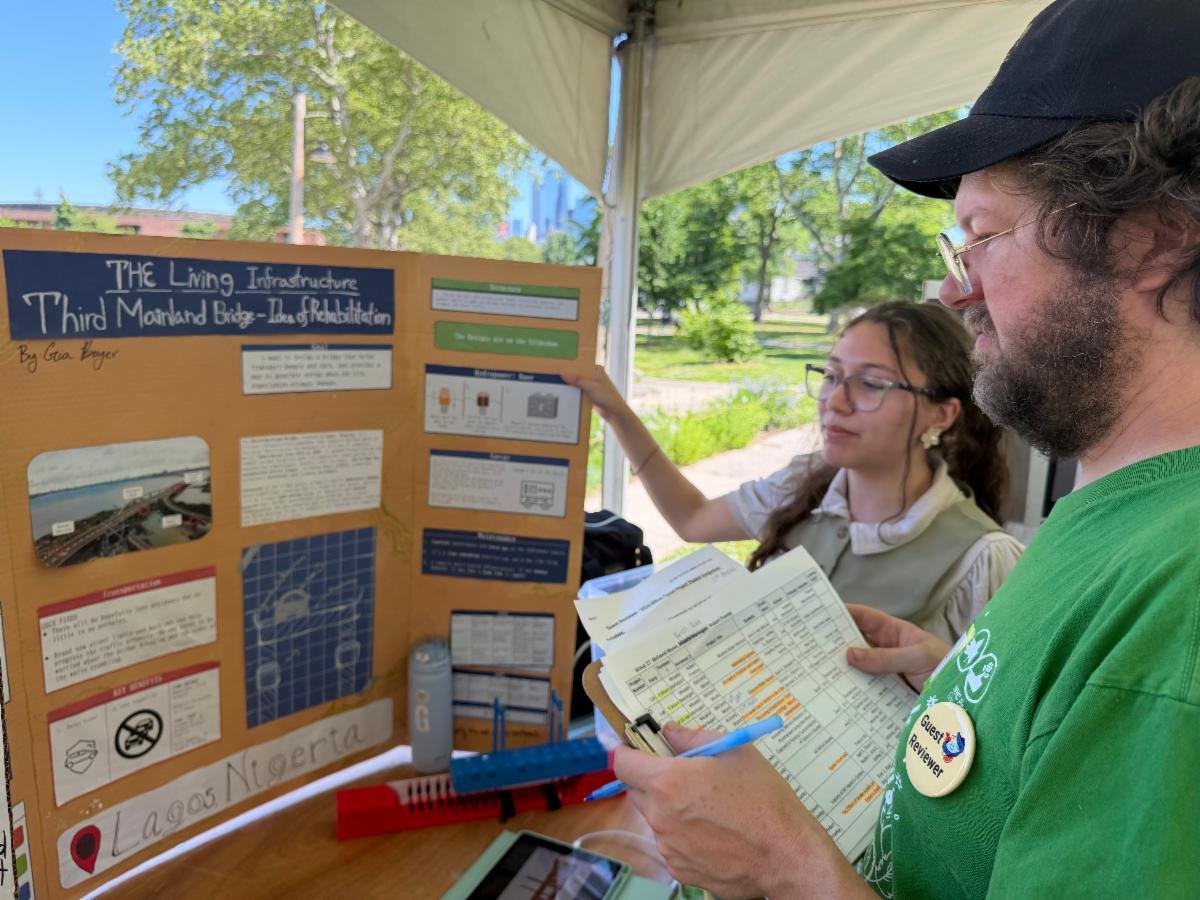
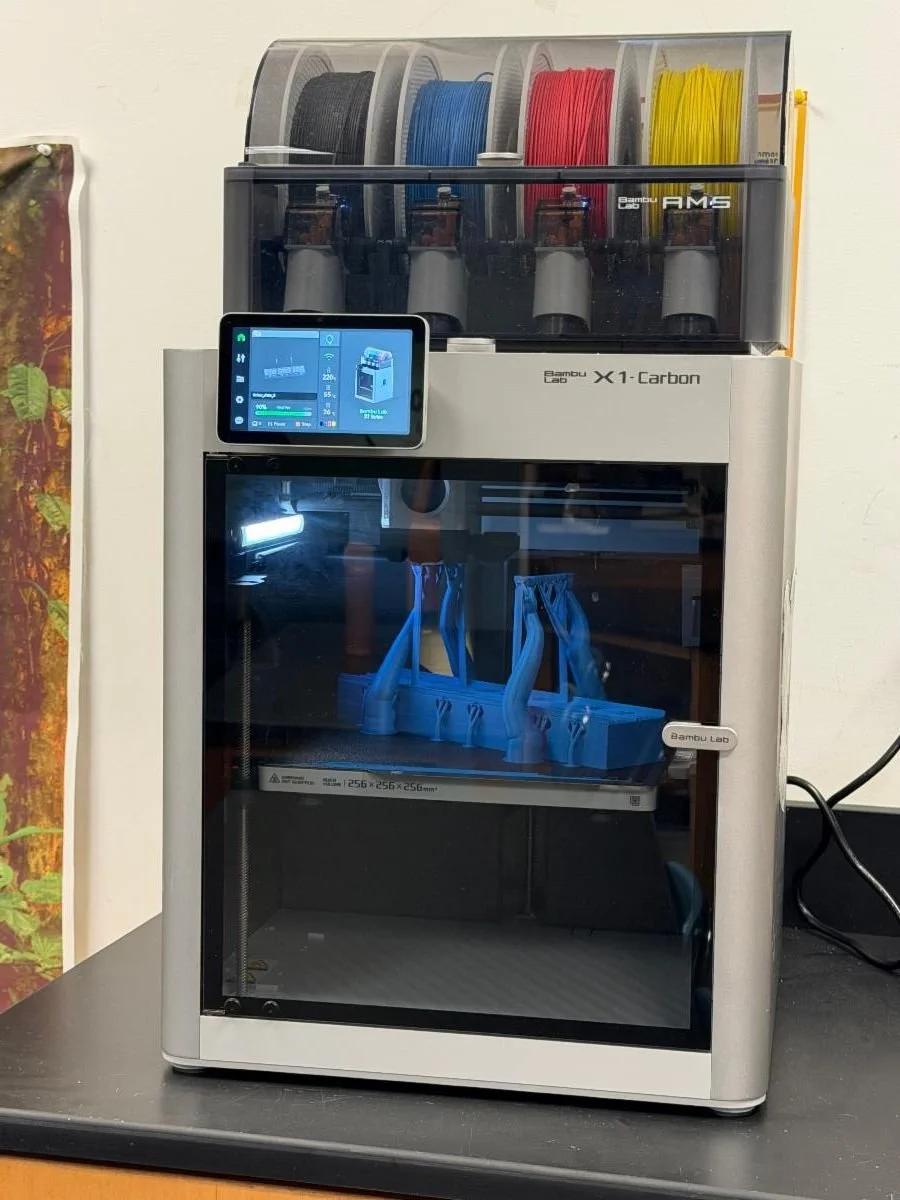
Innovation was also on full display. One of the first student projects to use TD’s new 3D printer was presented by Gia Boyer, who designed and digitally modeled a cable-stayed bridge incorporating wave-energy generation. Gia printed a prototype to demonstrate her concept in physical form, turning abstract design and theoretical energy capture into a tangible model. Projects like Gia’s illustrate how integrating advanced tools, 3D modeling and fabrication, enables students to test ideas more effectively and transform creative thinking into real-world innovation.
As Thornton-Donovan announces an AI theme for next year, our combination of scientific rigor, clear communication, and growing technological fluency positions our students to continue producing standout work. We are proud of every student who participated this year and look forward to expanding participation across grade levels, bringing new voices and fresh ideas to coastal research and environmental stewardship.